


4:12pm. Eyes burning. Head starting to throb right behind the brow. Familiar?
Blame gets thrown at the coffee, the meetings, the traffic ahead. Wrong target most of the time. The real culprit sits closer than that, glowing about eighteen inches from your face for eight, nine, ten hours a day.
Doha runs on screens the way most Gulf cities do now. Desk monitor in the morning, phone at every red light, a third screen once the evening starts. Nobody's eyes signed up for that kind of shift work, and the wear shows up slowly enough that most people just... adjust. Until they can't anymore.
When Did "Computer Vision Syndrome" Even Become a Thing?
Ask around at any eye test Doha clinic what's bringing people through the door this month, and screens come up constantly. That wasn't always true. Digital eye strain barely existed as a diagnosis a generation ago, simply because nobody spent nine hours a day locked onto a rectangle of light.
What's actually happening physically: blink rate falls by roughly half when eyes are fixed on a screen. Add blue light, poor screen distance, dim overhead lighting, and the eyes stop getting any real recovery time between one screen and the next. Burning by afternoon. Blur creeping in by evening. A headache that starts at the temple and spreads back.
Blue Light Glasses: Gimmick or Genuinely Useful?
Somewhere in between, honestly. Plenty of marketing around blue light lenses overpromises. But the core mechanism, cutting glare and flicker from screens, does ease fatigue across a long stretch of screen work. That part checks out.
Nobody feels a dramatic difference in the first hour. It's a slow build. Eight hours in, the gap between wearing them and not wearing them becomes obvious, particularly for anyone working under harsh office lighting or staring at a bright monitor all day. A week of testing settles the question faster than reading another product description would.
Twenty Minutes, Twenty Feet, Twenty Seconds
The rule everyone's heard and almost nobody follows consistently. Every twenty minutes, look at something twenty feet away for twenty seconds. That's it. Deceptively simple, and deadlines make it disappear fast.
The logic: staring at a fixed close distance keeps the eye's focusing muscles locked in one position for hours at a stretch, and that sustained lock-in is a huge chunk of what builds into strain. A phone timer does more for this habit than good intentions ever will.
The Water and Blinking Problem Nobody Talks About
Two boring reasons sit behind most mid-afternoon dry, gritty eyes. Not drinking enough water. Not blinking enough while staring at a screen.
Preservative-free lubricating drops top the eye's moisture layer back up, which matters more in Doha than plenty of places given how dry indoor AC air gets. A water bottle that actually gets used through the day does similar work from the inside. Unglamorous fixes, both of them. Still effective.
Lighting Decisions Made by Accident
A fluorescent panel overhead. A window glaring right behind the monitor. A phone at full brightness in a dark room, ten minutes before bed. Nobody chooses these setups on purpose. They just happen.
Contrast is the actual enemy, not brightness by itself. When a screen sits far brighter or dimmer than the room surrounding it, pupils keep readjusting back and forth, and that constant flexing tires eyes out quicker than flat, evenly matched lighting would. Night mode is a bandage. Matching screen brightness to the room is closer to an actual fix.
What About the Kids
Adults get most of this conversation, but kids rack up identical strain from online classes, gaming, scrolling for hours, often without knowing how to describe what's off. Rarely does a child announce "my eyes feel tired." Squinting shows up instead. Sitting closer to the screen than usual. Rubbing eyes more than before.
Worth a check-up, not a wait-it-out approach. Kids' prescriptions shift quickly, and catching that early beats a child struggling silently through a whole school term while everyone assumes it's just distraction.
Fixing the Actual Setup
Screen positioned too close, too high, too bright, and the eyes end up in a strain pattern that compounds hour after hour, day after day.
A short list that actually moves the needle: screen at roughly arm's length. Top of the display at or just below eye level. Brightness matched to the room, not cranked to max in a dim office. Angled away from windows and overhead lights to cut glare. Five minutes of adjusting, payoff that compounds across a whole workweek.
Where a Real Eye Test Comes Into the Picture
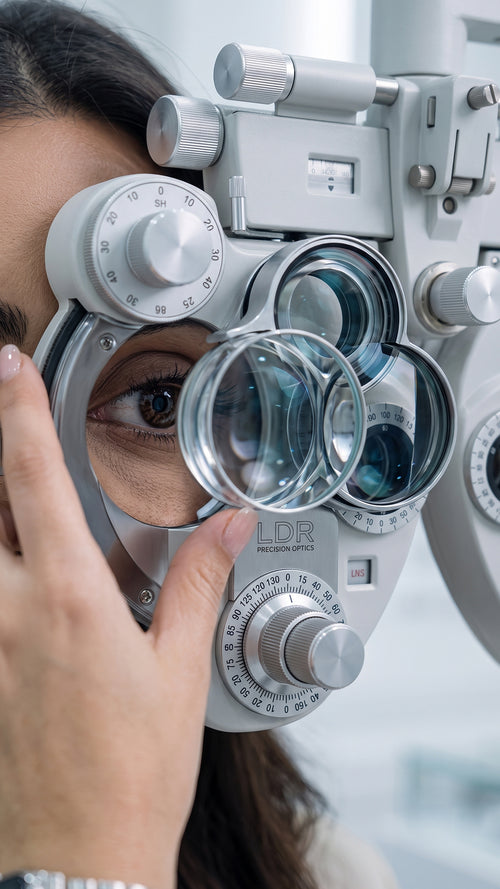
Habits manage symptoms. They don't diagnose anything. An actual exam is the only thing that catches an outdated prescription, early strain-related changes, or a condition that has nothing to do with screens whatsoever.
Booking an annual eye test Doha optical stores run catches problems long before they become obvious. Vision drifts gradually, slowly enough that most people adapt without noticing, right up until an exam shows the prescription has been wrong for months.
Finding an Optical Store in Qatar Worth Trusting
Some places rush through a vision chart and call it a full exam. That's not the same thing. A proper exam covers acuity, sure, but also screen habits, light sensitivity, and early symptoms worth flagging before they turn into something bigger.
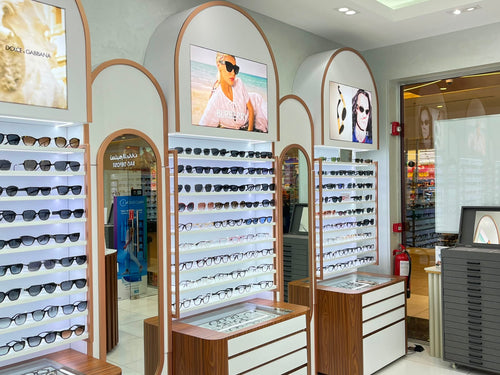
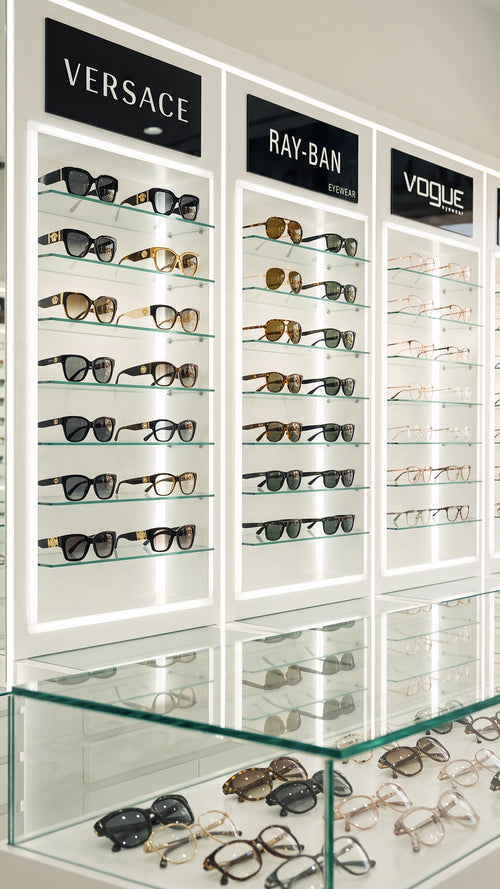
The better optical store Qatar residents keep returning to asks about daily routines first, screen hours, lighting setup, existing discomfort, before recommending a single lens. That conversation carries as much weight as the exam chart itself.
Time for an Actual Eye Test?
Daily habits only go so far. Book an eye test Doha residents actually trust, get a clear read on what's driving the fatigue, and leave with a plan built around real habits instead of a generic checklist.